Industrial Building
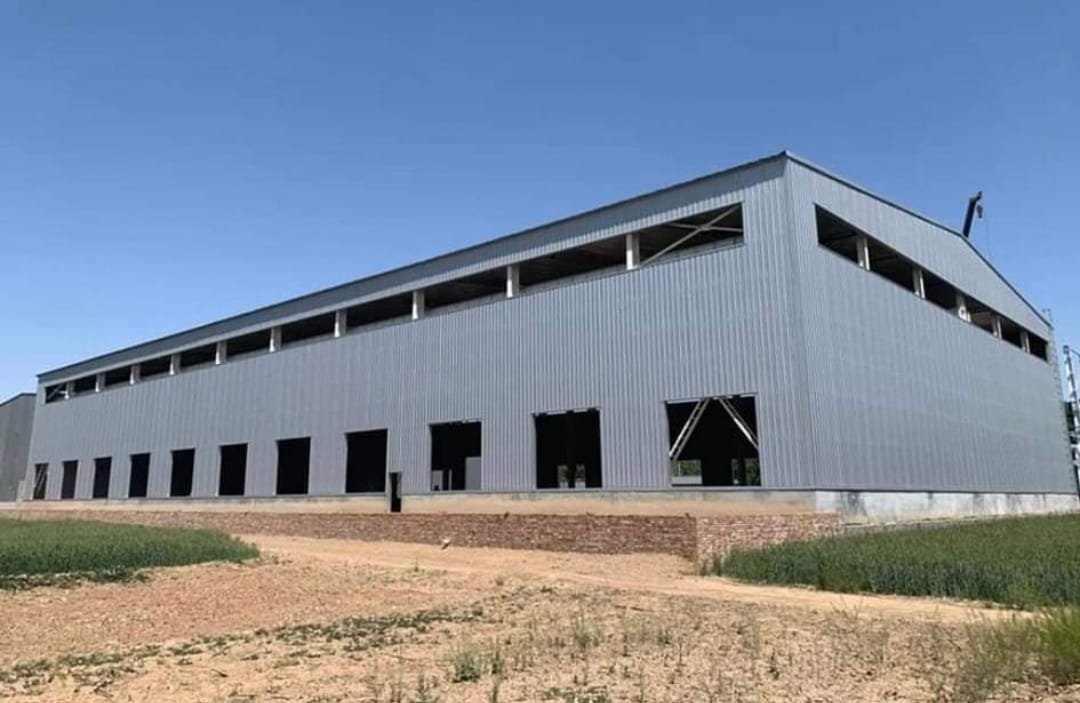
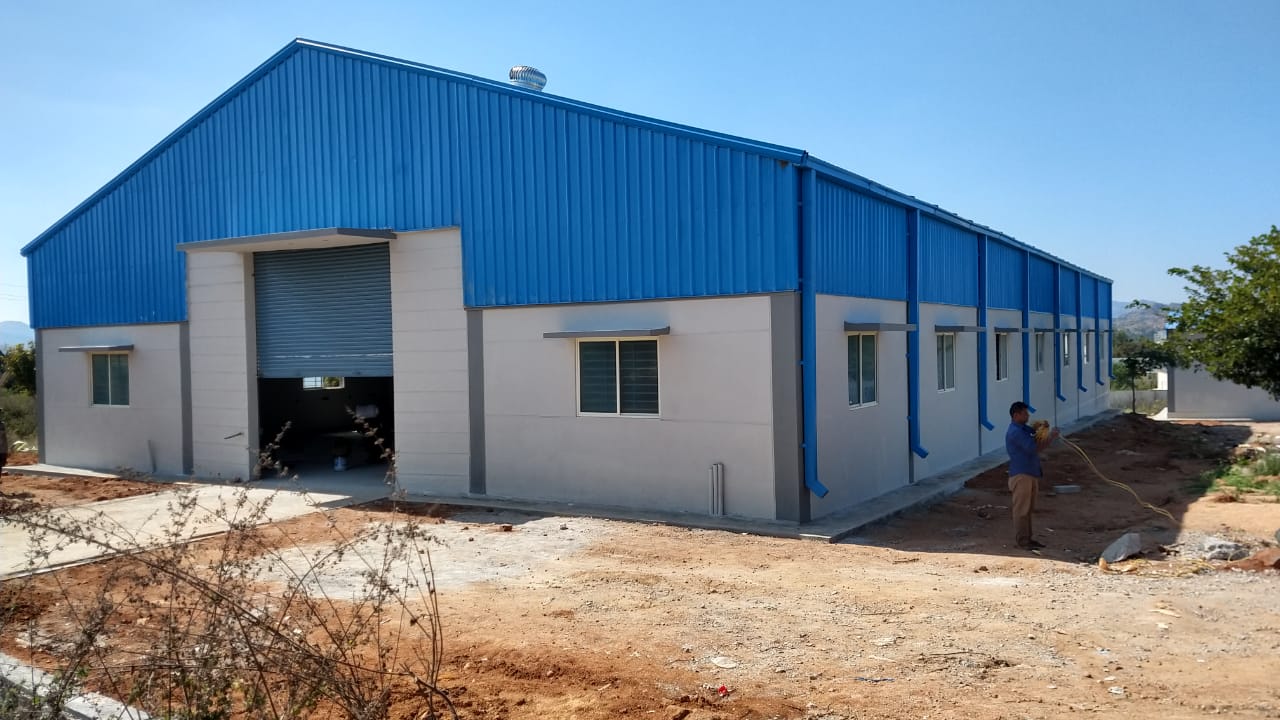
Industrial construction deals with factories, power plants, warehouses, and other highly specialized facilities. It also includes the design, installation, and maintenance of mechanical and structural components of these facilities. The term "industrial" refers to any business that manufactures goods. Industrial buildings are built for functionality, not style because they need to support heavy equipment that must be made to meet industry-specific regulations. Most industrial projects go through permitting and occupancy requirements to satisfy local entities. Commercial projects do the same, but larger industrial projects must meet permitting requirements that comply with local, state, and federal building codes.
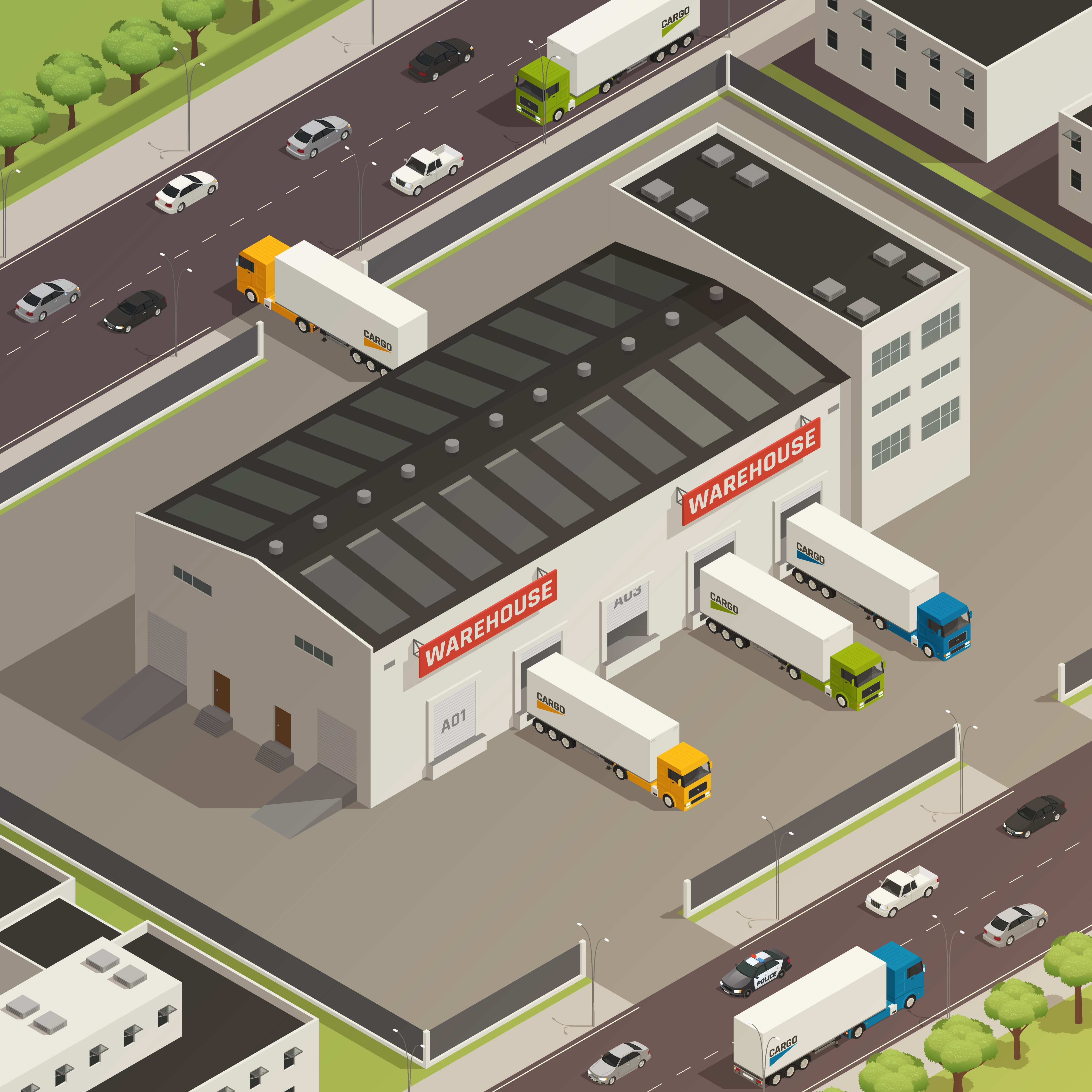
TWO TYPES OF INDUSTRIAL BUILDINGS Warehouse and Distribution Warehouses and distribution centers are used for the storage and transportation of goods. These buildings are usually single-story, and they range anywhere from 5,000 square feet to hundreds of thousands. Ceilings are usually at least 60 feet high due to racking and storage systems housed inside. Additional features of these facilities include loading docks, large garage doors, and parking lots to accommodate the semi-trailers used for distribution. Manufacturing Manufacturing or heavy industrial buildings consist of the capital-intensive equipment required for the production of goods and materials. Oil, mining, and shipbuilding businesses are great examples of industries that use manufacturing facilities.
WAREHOUSE BUILDING
A warehouse is a facility that, along with storage racks, handling equipment and personnel and management resources, allows us to control the differences between the incoming flow of goods (received from suppliers, production centers, etc.) and the outgoing flow of goods (goods being sent to production, sales, etc.). Usually, these flows are not coordinated, and this is one of the reasons why it is important to have storage facilities.
Types of warehouses At times, the business activity of a company requires one or more types of storage facilities: one for raw materials, one for semi-finished products, one for finished products, etc. All of these have to be arranged on the basis of their specific operational needs, and in accordance with the restrictions and potential of each location and its surroundings. The building itself can also be a criterion for its classification. Buildings can be classified as open air warehouses, industrial buildings, basements, depots, cold storage chambers, rack-supported warehouses (the racks form part of the building's constructive system), etc. According to the flow of materials, installations can be grouped into those used for raw materials, components or semi-finished products, finished products, intermediate warehouses, for warehousing, for distribution, etc. In terms of location, warehouses can be central, regional, or for transit. According to the extent of their mechanization, they can be manual, conventional, or automated.
AUTOMOTIVE BUILDING
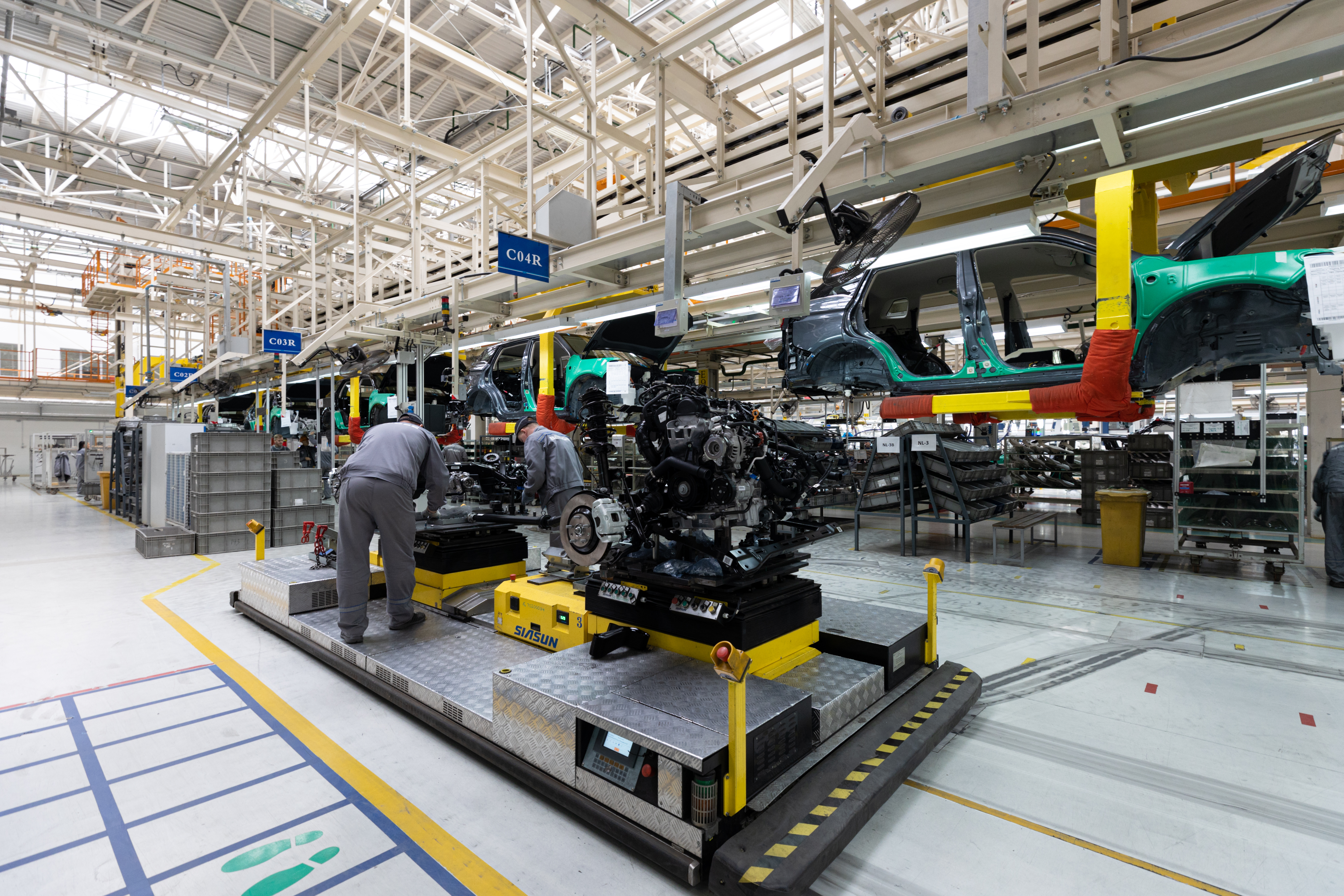
The automotive industry comprises a wide range of companies and organizations involved in the design, development, manufacturing, marketing, selling, repairing, and modification of motor vehicles.
all those companies and activities involved in the manufacture of motor vehicles, including most components, such as engines and bodies, but excluding tires, batteries, and fuel. The industry’s principal products are passenger automobiles and light trucks, including pickups, vans, and sport utility vehicles. Commercial vehicles (i.e., delivery trucks and large transport trucks, often called semis), though important to the industry, are secondary. The design of modern automotive vehicles is discussed in the articles automobile, truck, bus, and motorcycle; automotive engines are described in gasoline engine and diesel engine. The development of the automobile is covered in transportation, history of: The rise of the automobile.
INSTITUTIONAL BUILDING
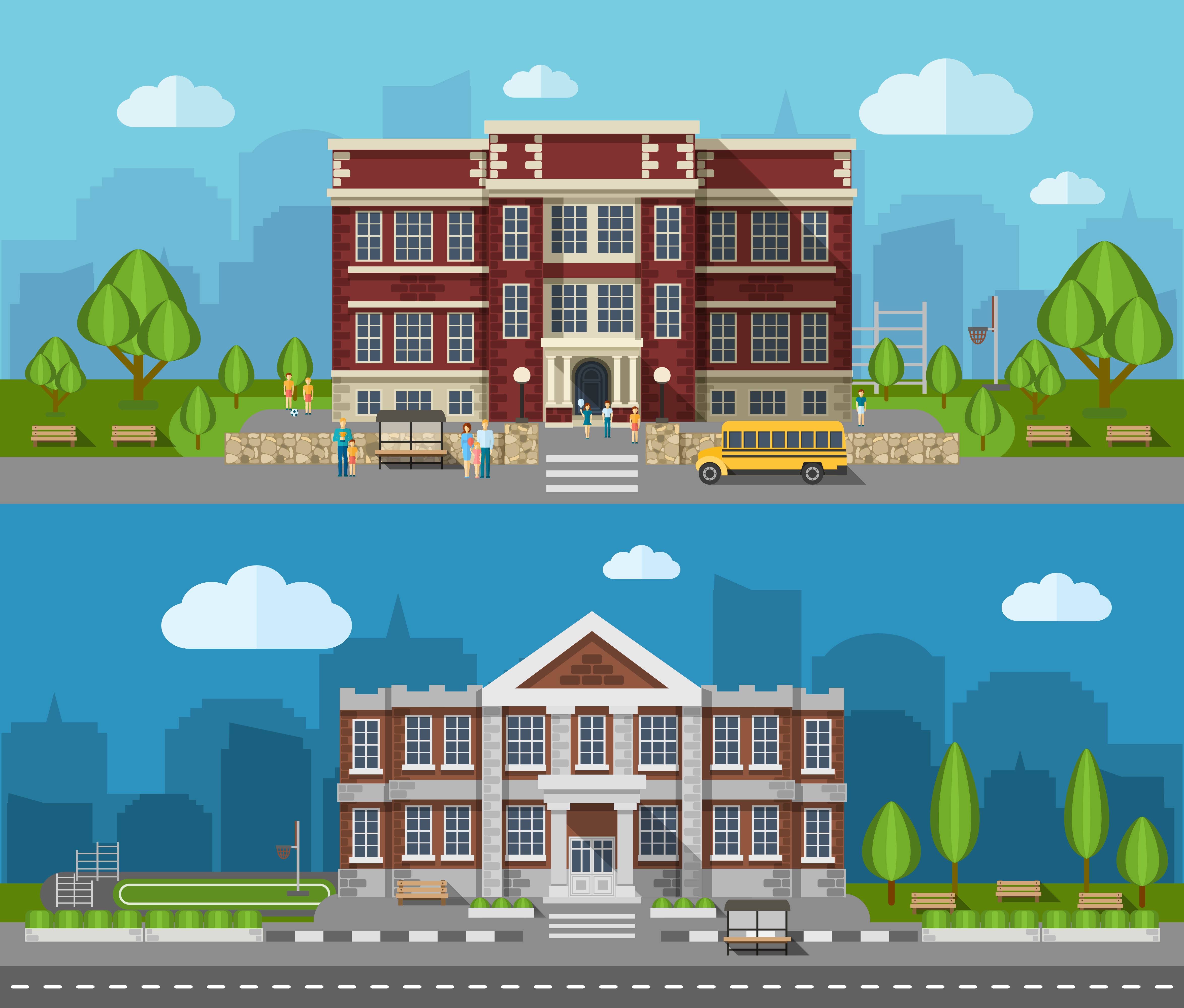
Public buildings need to be exemplary in terms of safety, durability, environmental and thermal performance, as well as aesthetics. These are some of the challenges faced by public bodies when they build schools, libraries, city halls, and other public amenities. Holcim is the right partner to help you achieve your goals. We work with you from the design phase to completion, providing you with the most appropriate building materials solutions using adapted cement, concrete, aggregates and building systems. Our objective: ensuring maximum energy efficiency, safety, resilience and beauty for your buildings.
We provide buildings with superior resilience and durability. Concrete is the most fire-resistant, non-chemically treated material, ahead of other materials such as steel and wood. We can reduced flooding and slippery surfaces with our pervious concretes.
We work with architects to create unique innovative designs for public buildings. We encourage architectural creative freedom with products that ensure breathtaking designs, amazing curves and shapes, different colors, textures, and patterns, and decorative aggregates for exterior fittings.
RESIDENTIAL BUILDING
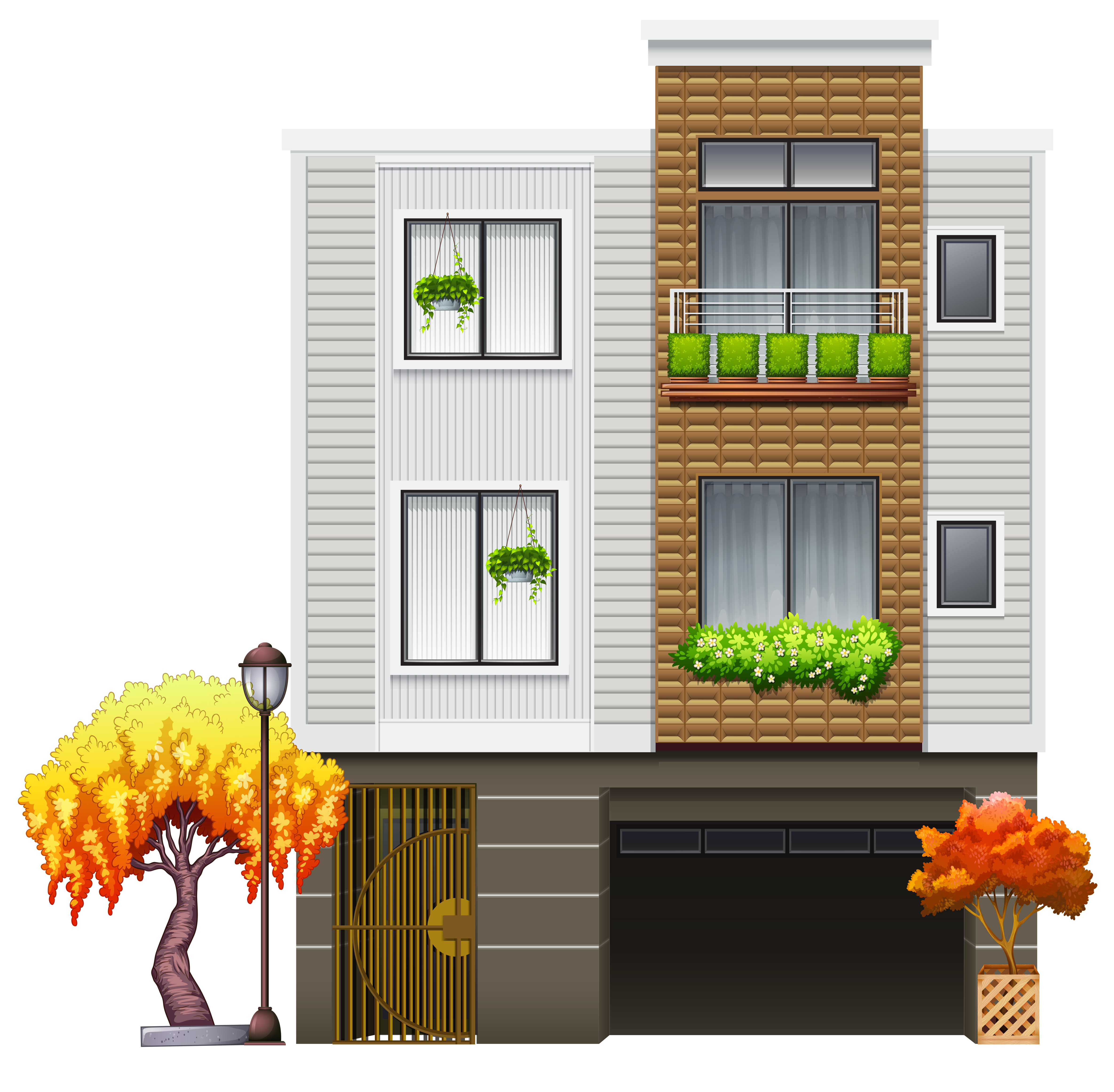
Types of residential buildings include apartments, condominiums, co-ops, farmhouses, hostels, lodging houses, single- or multi-family homes, townhouses, and more. Residential density measures residential development on a specific site or within a residential land area.
To be considered a residential building, a structure must provide more than fifty per cent of its total floor space to living quarters for its occupants. In other terms, a residential building is one that offers sleeping accommodations, either with or without a kitchen, dining, or combined dining and cooking capabilities.
Facilities available
The location of the property needs to be in a neighbourhood that provides a variety of facilities that are detailed further down.
Contributing to the community
Utilities-related services
Amenities
Infrastructure for shopping
Transportation modes
COMMERCIAL BUILDING
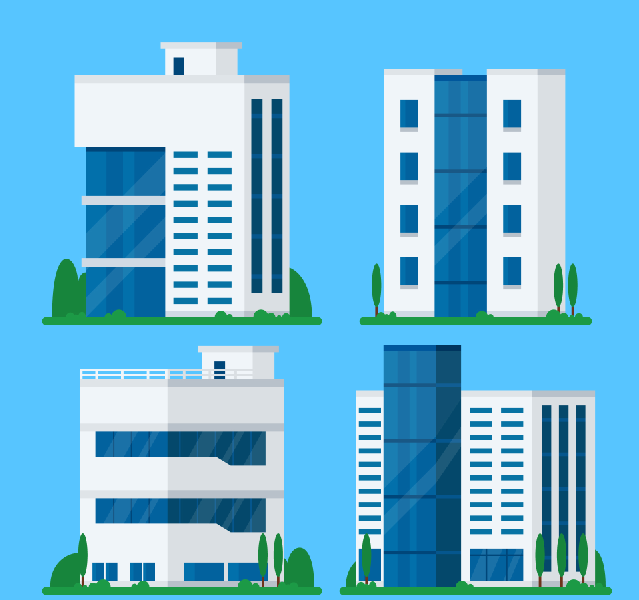
Commercial buildings are an important part of doing business, both for those who own them and for those who rent them. A commercial building could contain one or more of many types of businesses, including retailers, restaurants, offices or manufacturing. If you are planning to open a business with a physical location or you want to own and manage commercial properties, it's important to understand what this involves.
Commercial buildings are buildings where commercial activities take place. Commercial buildings include office buildings, retail space, warehouses and more. This differs somewhat from commercial property, which also includes multi-family buildings like apartment buildings. The reason for this is that commercial buildings are where commerce happens, while commercial property earns money for its owners but doesn't have to have commerce happening in it. Multi-use buildings that have a mix of spaces, such as a retail area and apartments, can still be considered commercial in certain circumstances.
Our Client